Storm season in Acadiana can bring high winds, heavy rain, and hail with little warning. If a storm has damaged your roof, what you do in the first few days can make a big difference for your home and your insurance claim.
1. Put safety first
Don’t climb onto the roof after a storm. Wet surfaces, loose shingles, and hidden structural damage make it dangerous. Stay clear of downed power lines, and if water is coming through a ceiling near light fixtures or outlets, turn off the power to that area.
2. Look for damage from the ground
Walk around your home and look for:
- Missing, lifted, or torn shingles
- Dented or loose flashing, vents, and gutters
- Fallen branches or debris on the roof
- Water stains or dripping inside, especially in the attic and on upper-floor ceilings
3. Document everything
Take clear photos and videos of the damage, both outside and inside, before anything is moved or repaired. Note the date of the storm. Good records make the insurance process much smoother.
4. Prevent further damage
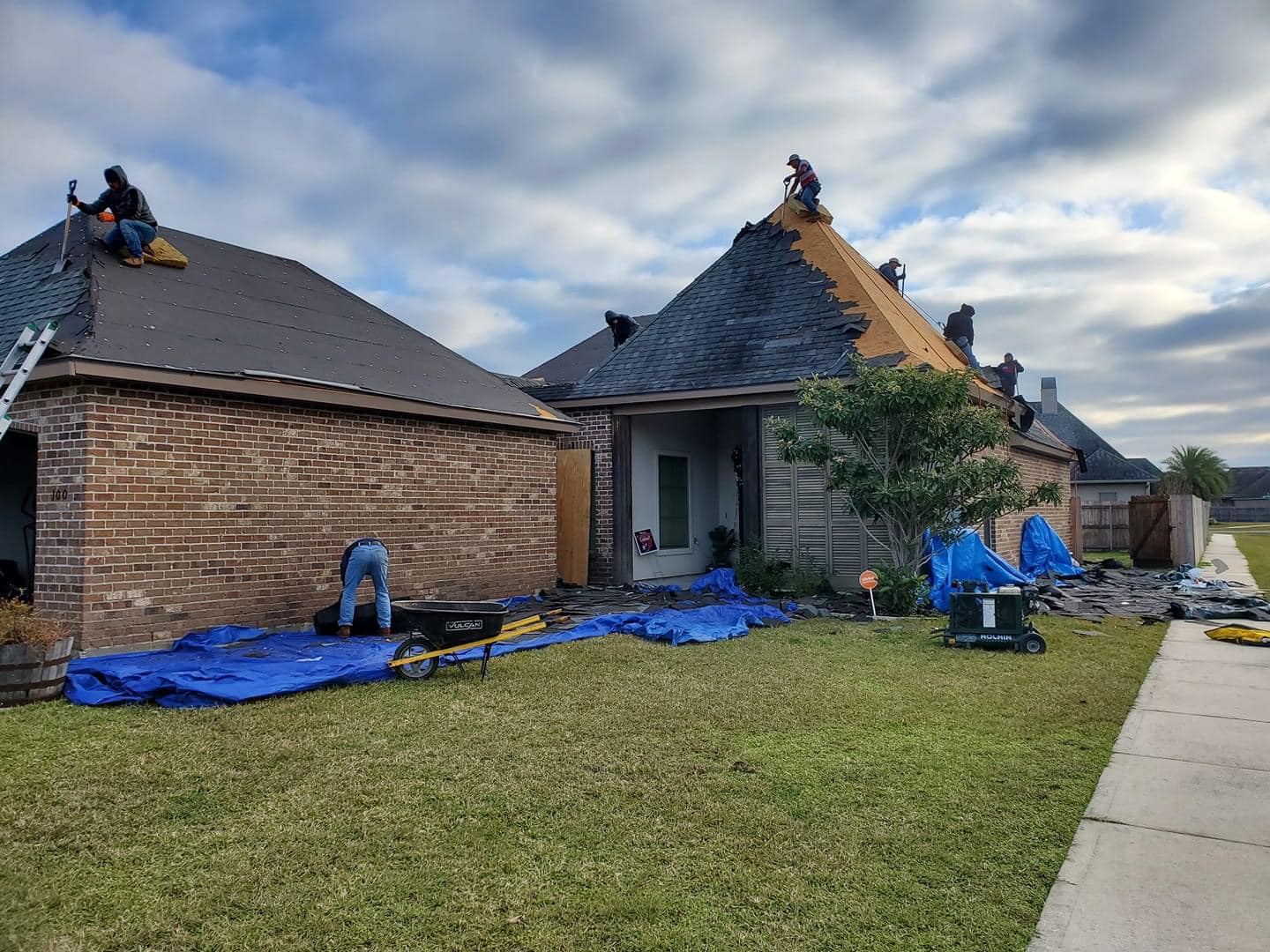
If water is getting in, move belongings out of the way and catch drips with buckets. A professional roofer can install a temporary tarp to keep rain out until permanent repairs are made. Keep receipts for any emergency repairs, since they may be covered by your policy.
5. Call your insurance company
Contact your insurer as soon as you can to start a claim. Ask what your policy covers, whether there’s a deadline for filing, and when an adjuster will inspect the roof.
6. Get a professional inspection
An experienced roofer can find damage that isn’t visible from the ground and give you a written estimate for repairs. Crocodile Roofing provides storm damage roof repair and the insurance documentation you need to help you through the claims process.
If your roof was hit by the latest storm, contact us or get an instant quote to get started.